A Deep Dive Into Steel Foundries: Vital Info and Sector Patterns
Steel shops play an important role in the production industry, changing raw products into vital components. The processes included, from melting to quality control, are intricate and require accuracy. Recent advancements are improving the sector, introducing automation and sustainability techniques. Yet, obstacles persist, specifically concerning labor and product expenses. Recognizing these components is basic for grasping the existing landscape and future direction of foundries. What exists in advance for this foundational market?
Comprehending the Metal Foundry Refine
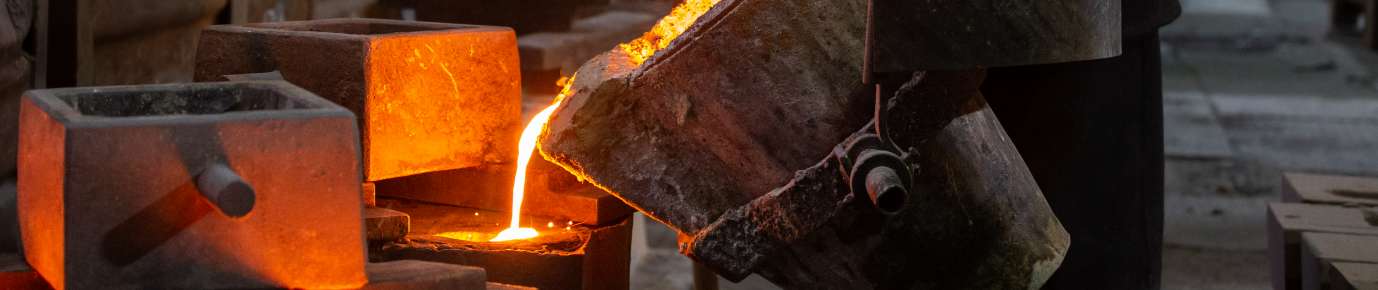
Although the metal factory process might appear complex, it rotates around a couple of essential phases that transform resources into completed steel products. Raw materials such as metal ores, scrap metal, and alloys are sourced. These products go through melting in heaters, getting to high temperatures to liquefy the metal. As soon as molten, the steel is poured into molds, where it solidifies and cools down into the preferred form
Adhering to solidification, the spreadings are eliminated from the molds, causing more processing. This might consist of cutting excess product, surface area ending up, and heat treatment to improve homes. Quality control assessments are necessary throughout the procedure to guarantee that the end products fulfill needed specifications and criteria.
Trick Technologies Fueling Foundry Advancements
The innovations in modern technology have considerably affected the steel foundry sector, driving advancements that enhance effectiveness and item high quality. Trick innovations improving this industry consist of automation and robotics, which streamline operations and reduce labor prices, enabling accuracy in mold and mildew production and metal putting. Additionally, the adoption of 3D printing is transforming pattern manufacturing, allowing intricate styles that traditional methods can not attain. In addition, simulation software application has become a crucial tool, enabling foundries to forecast and deal with prospective spreading problems before production, therefore conserving time and resources. The assimilation of IoT (Net of Things) devices boosts tracking and data collection, assisting in real-time modifications to processes. Advancements in metallurgy, such as the growth of new alloys, are expanding the capabilities of foundries to create stronger and lighter components. With each other, these innovations are changing the landscape of metal shops, driving them towards greater development and competitiveness.
The Duty of Quality Assurance in Steel Spreading
Quality assurance plays a critical role in metal spreading, ensuring that each part satisfies rigorous requirements and efficiency requirements. This process involves a selection of techniques, including aesthetic assessments, dimensional dimensions, and material screening - Aluminum Foundry. Shops utilize quality assurance personnel who keep an eye on each phase of production, from resources selection to the final product evaluation
By utilizing sophisticated technologies such as non-destructive testing and automatic evaluation systems, steel foundries can recognize issues early in the production cycle. This positive approach lessens waste and reduces the probability of costly other rework. Additionally, adherence to industry criteria, such as ISO certifications, strengthens a foundry's dedication to top quality, enhancing customer self-confidence and fulfillment.
Inevitably, reliable top quality control not just enhances the reliability and toughness of cast elements but additionally drives continual renovation within the foundry, cultivating a culture of quality and development in metal spreading procedures.
Sustainability and Environmental Practices in Foundries
As metal shops increasingly acknowledge their influence on the setting, a commitment to sustainability has actually come to be essential in their functional methods (Aluminum Casting). Numerous factories are applying energy-efficient technologies, such as electric induction furnaces, which substantially minimize greenhouse gas discharges contrasted to typical approaches. The fostering of recycled products, specifically scrap metal, has click this site likewise gained grip, decreasing waste and preserving all-natural sources
Water management methods are being enhanced to reduce consumption and stop contamination. Several shops are spending in closed-loop systems that reuse water made use of in air conditioning and cleansing procedures. Furthermore, dust and discharges regulate modern technologies are being updated to assure compliance with environmental laws.
Future Patterns and Obstacles in the Steel Factory Industry
Emerging fads in the steel shop sector highlight a change in the direction of progressed technologies and cutting-edge methods focused on enhancing effectiveness and competition. Automation, including robotics and synthetic knowledge, is progressively adopted to enhance procedures and decrease labor prices. In addition, the integration of Sector 4.0 innovations promotes real-time information evaluation, making it possible for much better decision-making and predictive upkeep.
Difficulties continue. The sector encounters a competent labor lack, requiring financial investment in workforce training and advancement. Furthermore, changing resources prices and supply chain interruptions pose considerable obstacles. Environmental guidelines are ending up being more stringent, pushing foundries to adopt sustainable methods that can be costly originally however advantageous long-term.
Additionally, the demand for high-performance and lightweight alloys is increasing, needing factories to introduce their procedures and products. Balancing these trends with ongoing obstacles will be essential for the future success of the metal shop market.
Often Asked Concerns
What Is the History of Steel Foundries?

How Do Foundries Determine Steel Alloy Compositions?
Factories establish steel alloy compositions through a combination of empirical screening, computer modeling, and sector criteria. They evaluate preferred residential or commercial properties, application requirements, and cost-effectiveness, ensuring the last alloy meets specific efficiency standards for designated uses.
What Are the Most Typical Shop Materials Utilized?
One of the most typical shop products include cast iron, aluminum, bronze, steel, and brass. These products are favored for their stamina, resilience, and convenience, making them ideal for various applications in manufacturing and building.
Just How Do Shops Manage Contaminated Materials Disposal?
Shops handle contaminated materials disposal through strict adherence to ecological laws, using specialized control systems, recycling campaigns, and collaborations with qualified waste monitoring business to assure safe and compliant disposal of hazardous materials.
What Profession Opportunities Exist in the Metal Factory Market?
Steel shops play a necessary function in the production industry, transforming raw products right into vital components. The metal shop procedure might seem facility, it revolves around a few fundamental stages that change raw products right into ended up metal products. The developments in technology have actually substantially affected the steel factory sector, driving developments that enhance performance and product top quality. The history of steel shops dates back to old worlds, where artisans initially melted steels to develop tools and decorations. The steel foundry sector provides varied job chances, consisting of roles in engineering, top quality control, operations monitoring, and environmental compliance.